You once started a store for customers, not for administration
The majority of entrepreneurs start a store because they gain energy from customers, collections, and entrepreneurship. You want to advise, purchase, follow trends, and create a beautiful store. However, the daily reality often looks different. Between helping customers, you are busy creating items, checking inventory, adjusting prices, and reviewing reports. Many of these tasks have become so routine over the years that entrepreneurs hardly see them as a problem anymore. Yet, a lot of time goes into these activities without notice. Time that does not directly contribute to the customer experience but recurs every week. This raises the question of how many hours you actually spend on tasks that customers never see, but that determine a large part of your workweek.
The hidden time-wasters behind the scenes
When entrepreneurs analyze their activities, it turns out that the biggest time-wasters are often not on the sales floor but behind the scenes. Processing a new delivery, checking items, looking up missing information, correcting inventory discrepancies, and reviewing reports may seem like small tasks on their own. The problem is that they accumulate throughout the day. Five minutes here, ten minutes there, and another fifteen minutes after closing may seem insignificant, but over the course of a week, this quickly adds up to several hours. Many retailers are hardly aware of this because these tasks have become part of their daily routine. Yet, it is precisely this accumulation that leaves less time for customers, sales, and entrepreneurship.
Why a fashion POS system is much more than a cash register
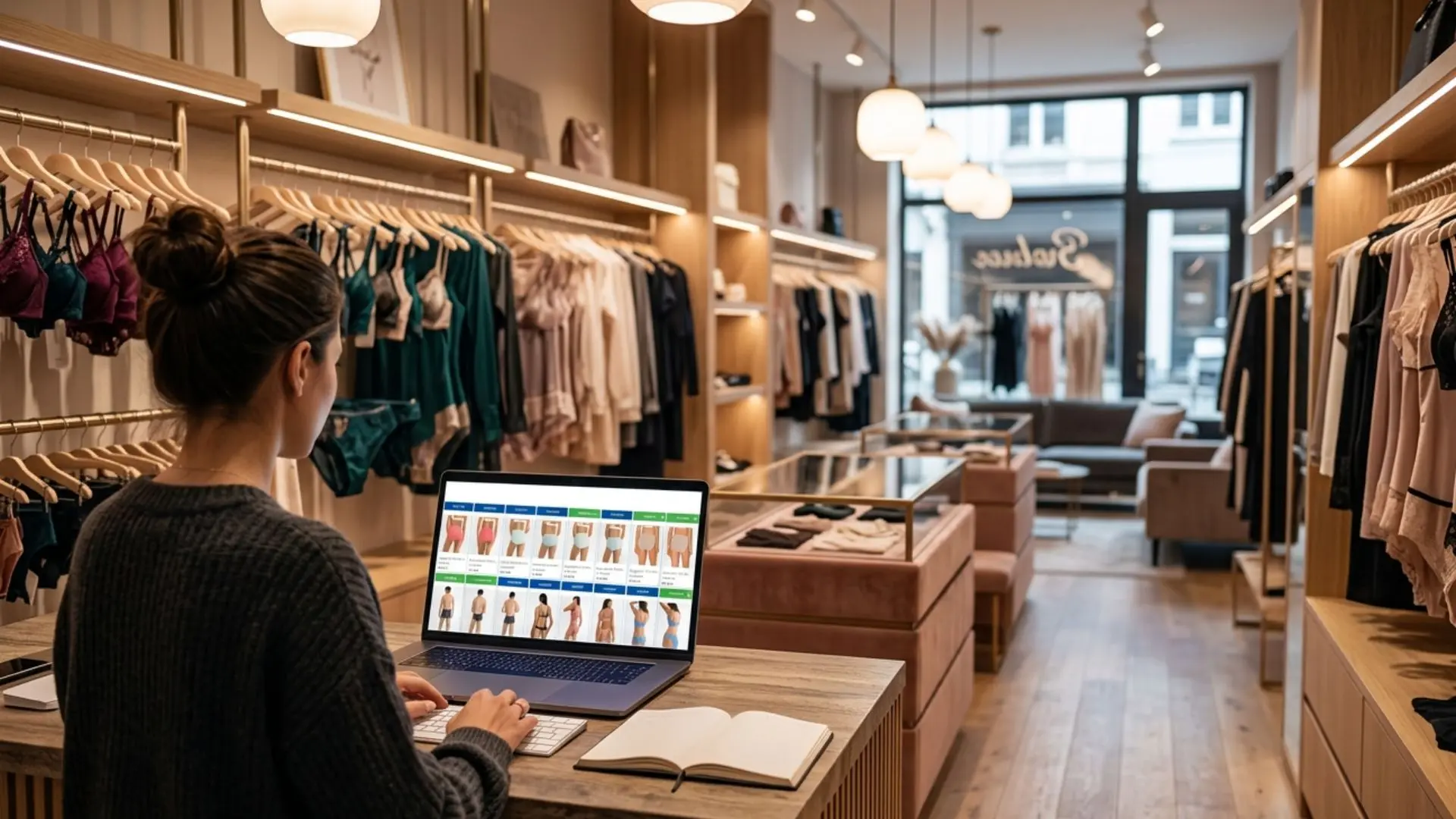
Many retailers primarily think of a cash register system as a way to process transactions for items. This is understandable, as it is the most visible part of the software. However, the greatest benefits often lie in the surrounding processes. A modern fashion cash register system not only supports sales but also assists with item management, inventory control, reporting, and processing new collections. When information is available more quickly and processes are more logical, employees need to search less and make fewer manual corrections. This leads to greater clarity and makes a large part of the daily administrative work easier. That difference may seem small, but it often has a significant impact on the overall workload within a store.
More insight means better decisions
Many entrepreneurs only look at numbers when a problem arises. A brand sells less well than expected, a certain size is constantly sold out, or inventory is piling up. At that moment, reports are pulled to find out what exactly is happening. Modern retail software turns this process around. By continuously providing insight into sales, inventory, and brand performance, the opportunity to make adjustments earlier arises. Entrepreneurs need to rely less on assumptions and can make decisions more quickly based on current information. This not only leads to better results but also provides more peace of mind, as problems become visible sooner and cause fewer surprises.
What would you do with five extra hours per week?
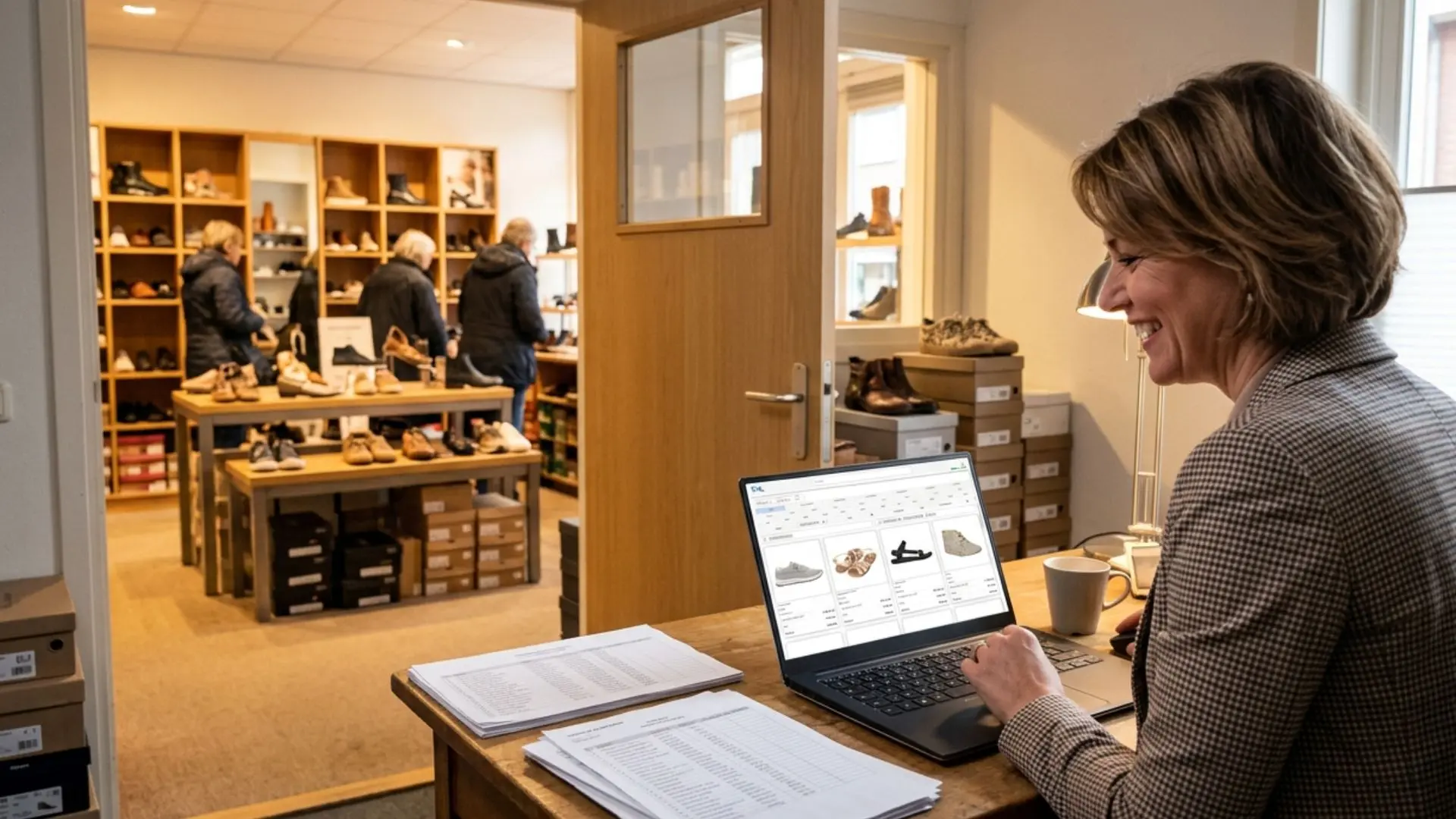
Perhaps the most interesting question is what you would do if part of the administrative work disappeared. Would you spend more time with customers? Give more attention to social media? Buy more calmly or simply go home earlier? Many entrepreneurs only realize how much time processes take when they see an alternative. A good fashion POS system does not take over the business, but it does help to make daily tasks more efficient. As a result, the focus shifts back to what most retailers originally started their store for: helping customers, selling beautiful collections, and enjoying entrepreneurship.
Helping customers, selling beautiful collections, and enjoying entrepreneurship