For many fashion retailers, this is still a daily practice. New boxes arrive, suppliers send Excel files, and then the processing of items in the cash register system begins.
Check article codes. Review colors. Add sizes. Search for photos. Only then can the collection really hit the sales floor.
Certainly, when you switch to a new point-of-sale system, it feels like a huge task. Many retailers therefore postpone the transition. Not because they are satisfied with their current method, but because they are afraid of having to manually rebuild hundreds or thousands of items again.
While that is often no longer necessary these days.
The barcode is already attached to the item
With Latest Collection, items can often be immediately identified via the barcode or hangtag already attached to the item.
That means that product information is often made automatically available within the cash register system. Think of product descriptions, colors, size ranges, and often even product photos.
As a result, you don't have to manually recreate collections or perform separate Excel imports. The item already exists. The barcode does too.
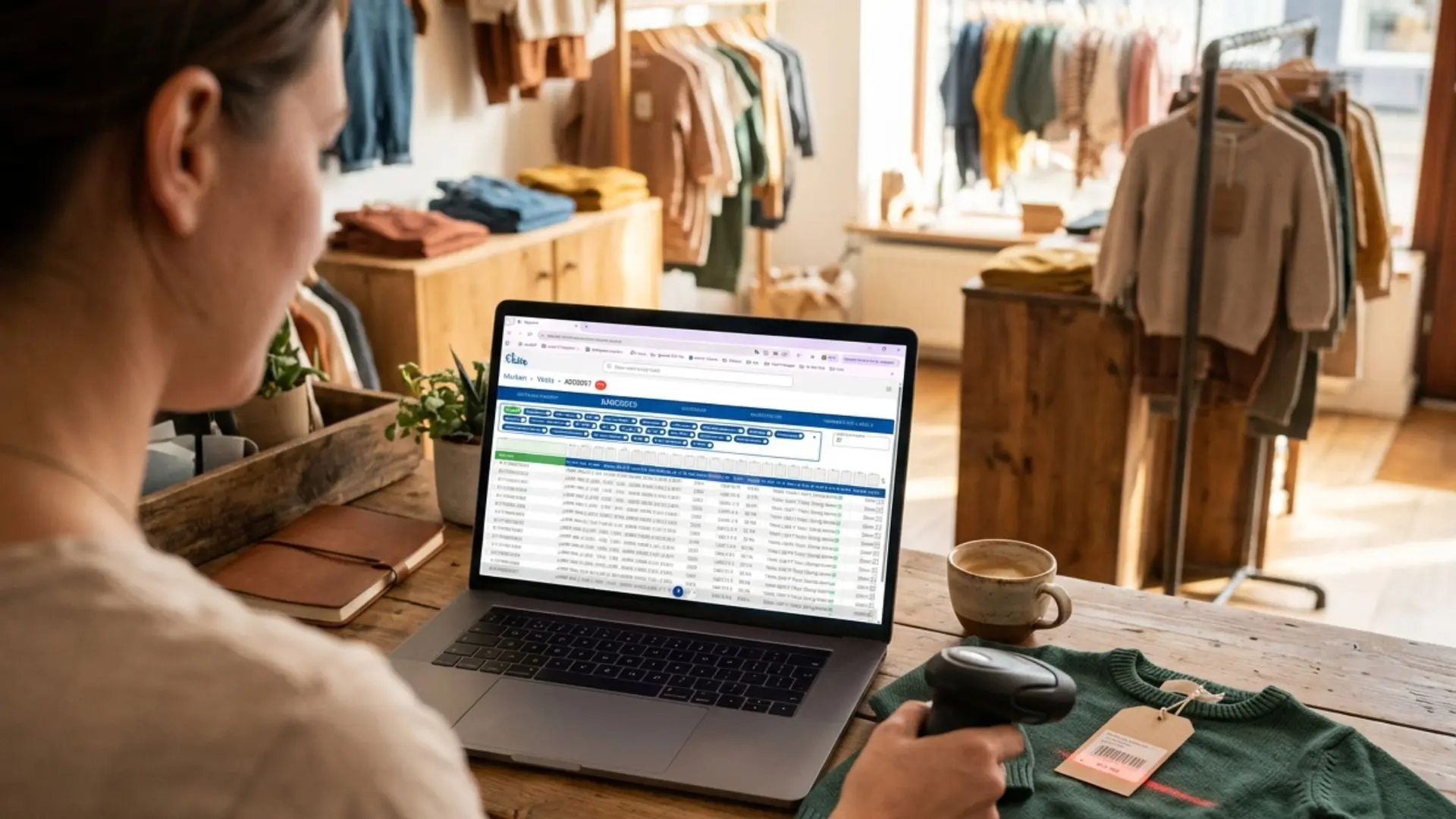
Less manual work. More calm on the shop floor
For retailers, this mainly means peace.
New collections can be processed faster. Employees need to enter less manually, and the chance of errors decreases. No different spellings of colors. No missing sizes. No duplicate items being created.
And perhaps more importantly: your team has time left for customers and sales.
Because in the end, you want to be involved with fashion. Not with endless article management.
It makes a difference, especially during a transition
Many fashion entrepreneurs believe that switching to another cash register system is only possible between seasons.
But precisely because of the connection with Latest Collection, a transition often turns out to be much simpler than expected. Existing hangtags and barcodes can be used to make collections quickly recognizable within the new system. This way, you don't have to start from scratch again.
That saves days of work. Sometimes even weeks.
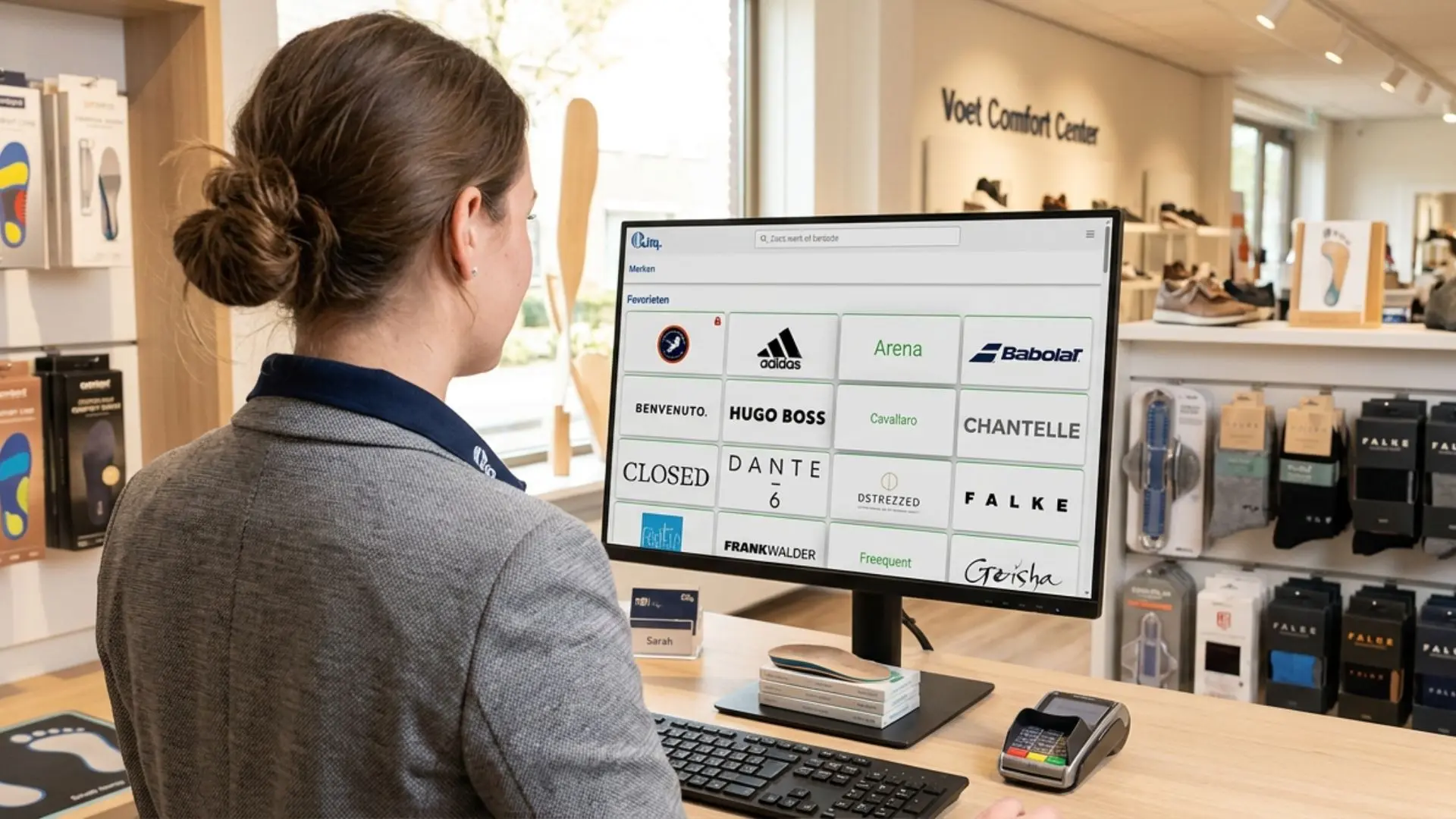
Fashion retail requires a different approach
General cash register systems are often not designed for the complexity of fashion. Size charts, colors, collections, and seasons require structure and speed.
That’s why more and more fashion entrepreneurs are opting for a solution where fashion data becomes an integral part of the process. No more working from separate files and manual input. Instead, it’s from a system where product data is already prepared for you.
Discover how simple fashion retail can be
Curious how this works within your store or cash register system?
View the affiliated brands via Latest Collection Brand Overview or discover the possibilities of Qliqpoint