A new collection is coming in. Boxes are being opened, clothes are still half hanging over the counter, and meanwhile, the first customer is already at the register asking if that blouse is available in size 40. In the back of the store, someone is trying to create items, check sizes, and set prices correctly. For many entrepreneurs in the fashion industry, this still feels like 'just part of the job.' But more and more retailers are starting to wonder if that still makes sense. This is where the conversation about a modern fashion POS system begins.
Because let's be honest: many fashion stores still operate on processes that may have made sense years ago, but now mostly just waste time. Manually entering items. Searching for photos. Correcting inventory. Reports that only clarify what you actually wanted to know earlier after the fact. These are daily frustrations that slowly drain energy from a store without entrepreneurs realizing it right away. Until they see that it can be different.
The retail industry has changed dramatically in recent years. Not just online, but also on the sales floor. Customers expect speed. Employees need to be able to work flexibly. And business owners no longer want to spend hours every evening figuring out exactly what has happened in their store. A modern fashion POS system increasingly addresses these needs. Not by giving business owners more work, but by making processes smarter.
What surprises many retailers is that the difference often doesn't even start at the checkout itself. It starts with the data behind it. The faster items are available. The better sizes, colors, and brands are processed. The clearer the reports are structured. That's when calm is created. Not only behind the scenes but especially on the sales floor.
Why so many fashion stores are still wasting unnecessary time
Many entrepreneurs only realize how much time is lost when they see a different way of working. This often happens during a demo, a trade show visit, or a conversation with a fellow retailer. Suddenly, that small awkward moment arises when someone thinks: "Wait a minute... do we really still have to do this manually?"
That feeling is recognizable in almost every fashion industry. From children's shoe stores to lingerie shops and from men's fashion to sports retail. It hardly matters how big the store is. Even stores with three employees can spend hours each day on processes that should actually run automatically. That is precisely why interest is growing in a fashion POS system that is specifically developed for fashion stores.
Many standard cash register systems were once built for general retail. A product is a product. But fashion works differently. Sizes, colors, seasons, collections, ongoing deliveries, and brand structures make the industry more complex. As a result, problems arise that entrepreneurs often come to accept as normal. A size that doesn't fit. An inventory that is off. An employee who doubts whether an item has been processed correctly. A report that no one really finds useful.
The danger of this lies not only in lost time. It also lies in doubt. Entrepreneurs start to rely on their instincts because the systems do not provide enough trust. As a result, purchasing decisions are made later, inventory lingers longer, and unrest arises within teams. A good fashion POS system eliminates that doubt. Not by becoming more complicated, but by working more clearly.
More and more retailers are discovering that modern fashion retail software actually creates calm. No extra actions, but fewer actions. No extra screens, but faster overviews. And you can feel that difference immediately on busy shopping days. When an employee can see right away which sizes are still available. When an item is immediately visible in reports. When a business owner doesn't have to check everything at the end of the day before the numbers feel reliable.
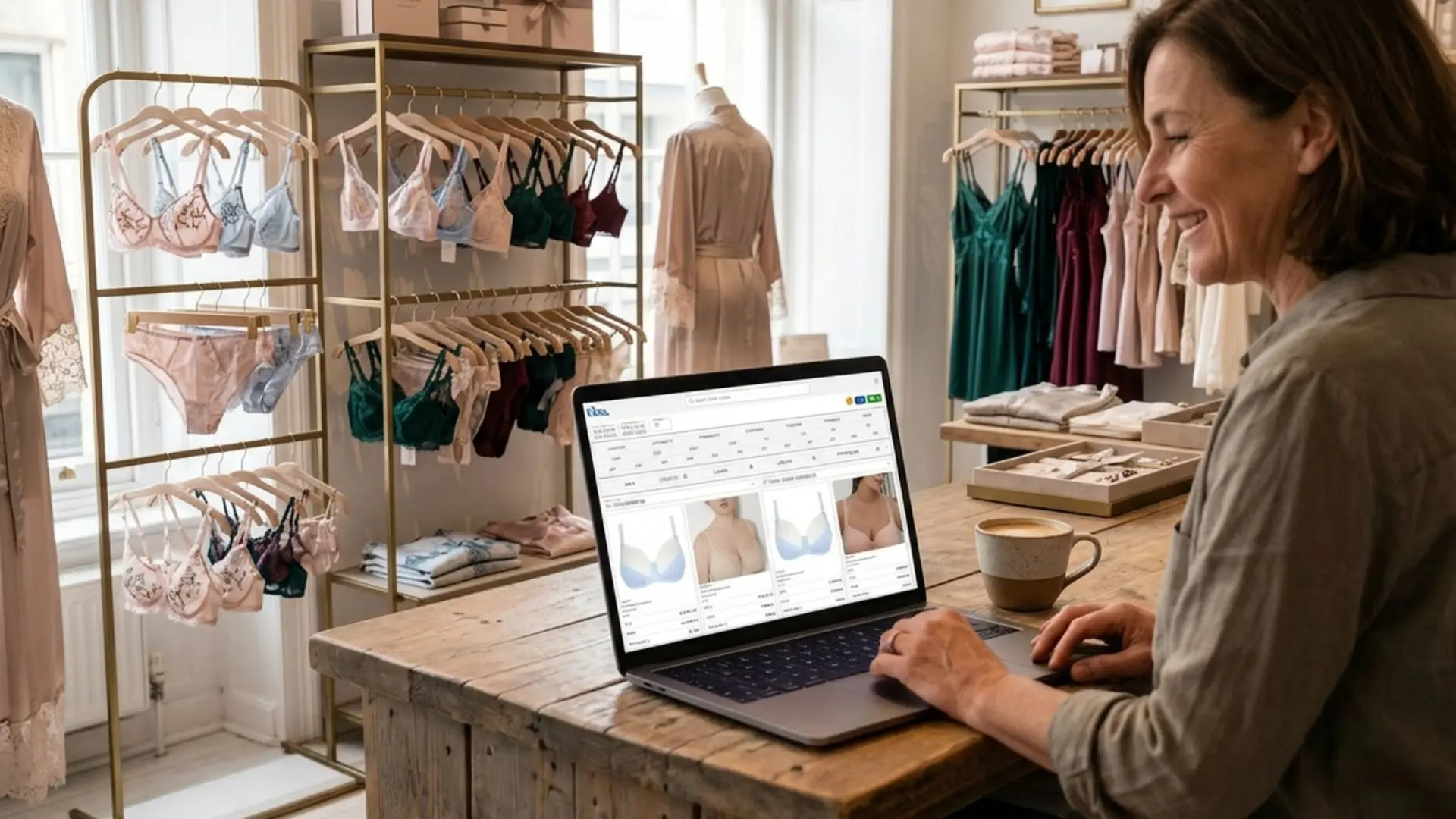
The difference between a standard system and a fashion POS system
Many retailers initially think that all cash register systems do about the same thing. Payments can be processed, inventory can be tracked, and reports can be generated. However, the real difference arises when a system is developed from the practice of fashion retail.
A fashion POS system looks at an item differently. In a supermarket, a size variant makes little difference. In a clothing store, it makes all the difference. There, size distribution determines whether a collection can be successfully sold. There, color information determines whether employees can assist customers effectively. There, processing speed determines how quickly a collection is actually ready for sale.
That’s why many standard systems for fashion entrepreneurs often feel like they just don’t fit well. Too much needs to be adjusted. Employees have to remember too much. Or processes are solved with extra Excel files and separate checks. This not only takes time but also drains energy from the business itself.
Retailers who switch to modern fashion retail software often notice right away that processes feel more logical. Not because employees suddenly work differently, but because the system aligns better with how fashion stores actually operate. Scanning a new item and having all the information available immediately feels almost strangely simple for many entrepreneurs. As if something that seemed complicated for years suddenly becomes very normal.
There lies the strength of a good fashion POS system. It makes technology less visible. Entrepreneurs are not focused on software. They are focused on their store. On customers. On collections. On sales. Exactly as it should be.
Why insight is becoming more important than ever
In recent years, margins in fashion retail have come under increasing pressure. Entrepreneurs need to buy smarter, respond faster, and better understand what is happening on the shop floor. Yet, many stores still rely on reports that mainly look back instead of helping to move forward.
Therefore, the need for a fashion POS system that makes insights not complicated, but practically applicable, is growing. Entrepreneurs do not want to drown in numbers. They want to immediately understand what needs attention.
- Which brands are really doing well?
- Which sizes remain structurally relevant?
- Which category is growing rapidly without notice?
- Where does inventory stagnation occur?
Such insights make the difference between reacting and steering. And it is precisely there that a significant turning point arises for many retailers. Because as reports become clearer, the way of doing business also changes. Decisions are made more quickly. Teams gain more confidence. Purchases become sharper. And inventory feels less like a risk and more like something that can be controlled.
Many entrepreneurs underestimate how much peace of mind it provides. Especially in smaller fashion stores where the owner does almost everything themselves. There, a good fashion POS system means not only better software but also literally less pressure in the head.
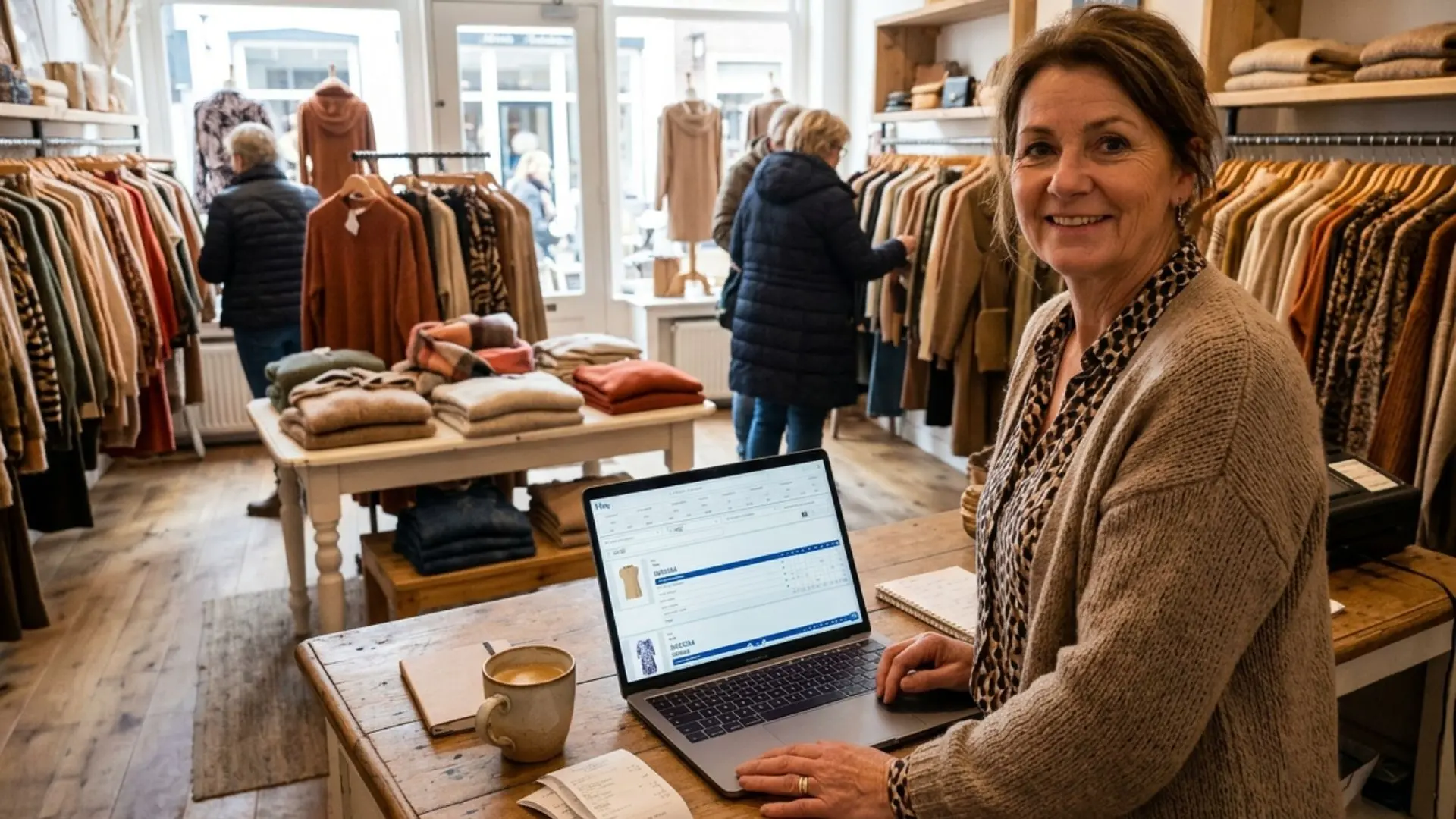
How smart data is changing the retail floor
One of the biggest developments in fashion retail software revolves around data integration. Where retailers used to rely mainly on manual input, systems are now emerging that process product information much more intelligently.
This means concretely that a new collection is available in the store faster. Items automatically appear correctly in the back office. Sizes, colors, and prices are processed correctly in real-time. Reports are immediately up to date. And employees can respond more quickly on the sales floor.
For many retailers, it initially feels almost too good to be true. Because for years it was believed that fashion retail simply requires a lot of manual work. But that perception is slowly starting to change.
More and more entrepreneurs are discovering that a modern fashion POS system is not about more technology, but about fewer unnecessary actions. And that difference makes daily business operations easier.
When a collection arrives and is fully ready for sale in a short time, not only does the process change. The atmosphere in a store also changes. Less stress behind the scenes means more attention for customers on the floor. Less doubt means faster sales. Less administration means more room for entrepreneurship.
Why smaller retailers actually have an advantage
Many smaller fashion stores still believe that smart retail software is mainly interesting for large chains. However, it is precisely smaller entrepreneurs who benefit greatly from efficiency, especially when teams are small and everyone fulfills multiple roles at the same time.
A lingerie store with three employees has no time for complicated workflows. A children's shoe store with one owner cannot spend hours on item management. A women's fashion store with six staff members primarily wants to maintain an overview without extra complexity.
That is precisely why the need for an accessible fashion POS system that works intuitively is growing. No technical jargon. No complicated dashboards. Just clear insights that entrepreneurs can act on immediately.
Many retailers notice something remarkable. As systems become simpler, employees use them better. Reports are viewed more often. Inventory is tracked more actively. Teams gain more ownership. And that ultimately leads to better stores.
Thus, software transforms from a necessary evil to practical support. It's not something entrepreneurs dread, but something that helps daily.
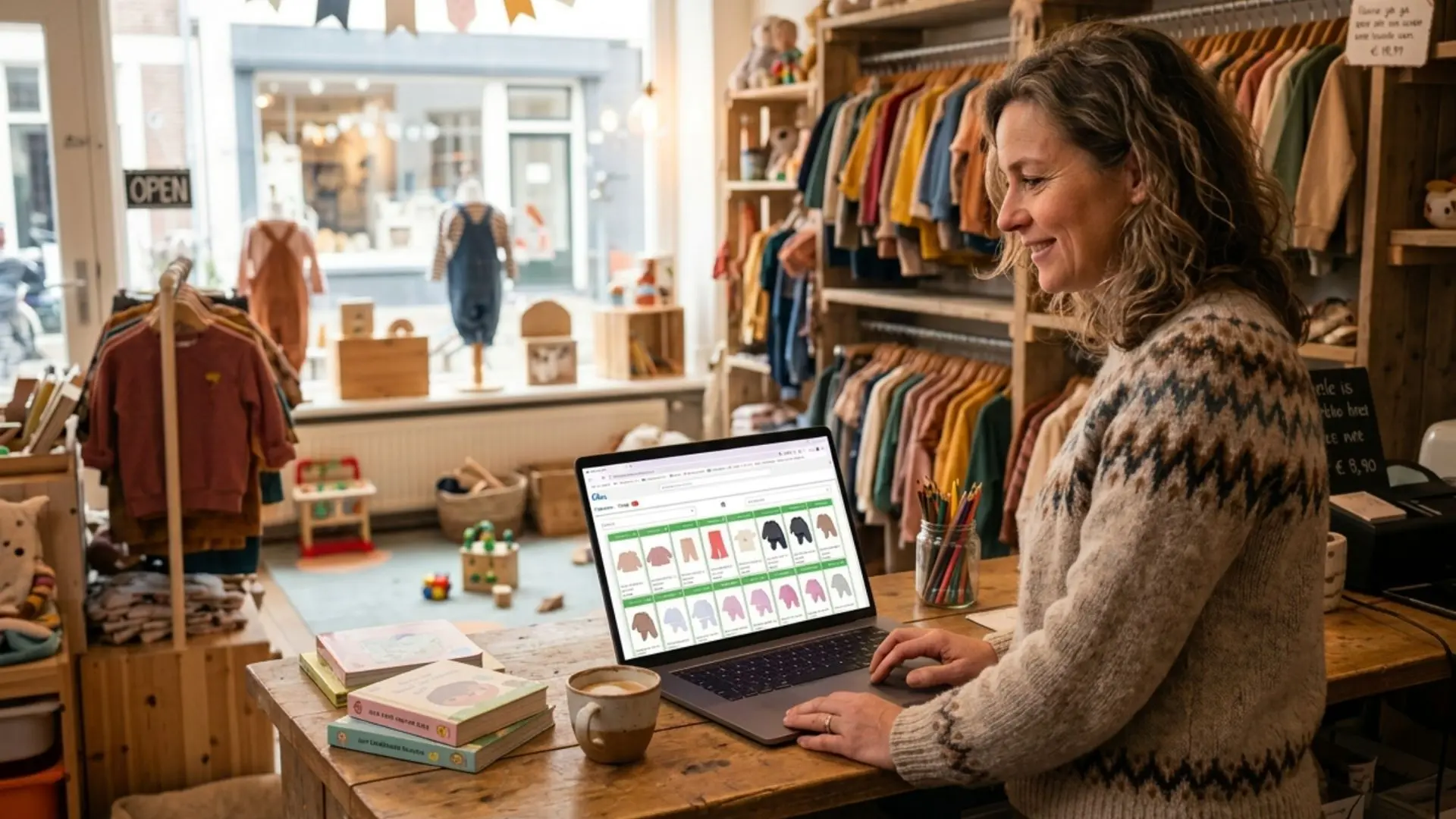
The emotional side of overview
What is often underestimated in discussions about retail software is the emotional impact of having an overview. Many entrepreneurs in fashion retail are constantly on edge. They manage staff, purchase collections, assist customers, handle social media, and in the meantime, try to maintain financial oversight.
When systems cause extra work, unnoticed frustration arises. Not always visible, but definitely felt. Evenings when inventory needs to be checked "just quickly." Weekends spent reviewing numbers because reports don't feel trustworthy. Mornings when it first needs to be figured out why inventory is deviating again.
A good fashion POS system relieves pressure right there. Not just practically, but mentally. Entrepreneurs regain control. Not because everything becomes perfect, but because systems finally cooperate instead of working against them.
That is often the moment when retailers ask themselves why they didn't look into this earlier. Because many daily frustrations turn out to have been completely unnecessary in hindsight.
Why the future of fashion retail is becoming smarter and simpler
The coming years will see fashion retail move even faster. Collections will change more quickly. Customers expect immediate insights. And entrepreneurs must manage time and inventory more efficiently.
That is precisely why the difference between general retail software and specialized fashion retail software is becoming increasingly significant. Stores that use systems tailored to the realities of fashion can respond more quickly and maintain greater stability in their operations.
The future is not about more technology. It's about technology that becomes less visible. A good fashion POS system ultimately feels almost self-evident. Items are accurate. Reports are clear. Inventory feels reliable. And employees can work faster without extra explanations.
That may sound simple. But for many retailers, it still feels like a huge step forward today.
And maybe that is ultimately the most important development in fashion retail: entrepreneurs are slowly discovering that working smarter doesn't have to be more complicated. Sometimes it's actually quite the opposite.