Once you’ve discovered that email marketing is much more than just a newsletter, the next step comes. Because let’s be honest: sending a general email to all your customers sometimes feels like shooting in the dark. Some open it, others delete it immediately, and some click but then don’t buy anything.
The truth is: customers are not all the same. And so it doesn't work to treat them all the same. Segmentation, dividing your email list into groups, may be the biggest change you can implement as an entrepreneur.

Why treating everyone the same doesn't work
Imagine a shoe store. A customer bought a pair of nice men's shoes from you six months ago. Another customer came by last week for running shoes. And a third customer has bought children's shoes three times in a year. Are you sending all three the same email about "10% off women's sneakers"? There's a good chance they'll lose interest.
The power of segmentation lies in recognition. When a customer feels addressed, they click through. And that makes sense. If you run a lingerie store and you send an email to someone who just bought two shaping panties last week saying, “Have you seen our latest shapewear yet?”, it feels personal. That’s no longer advertising, but a service.
The half-year moment
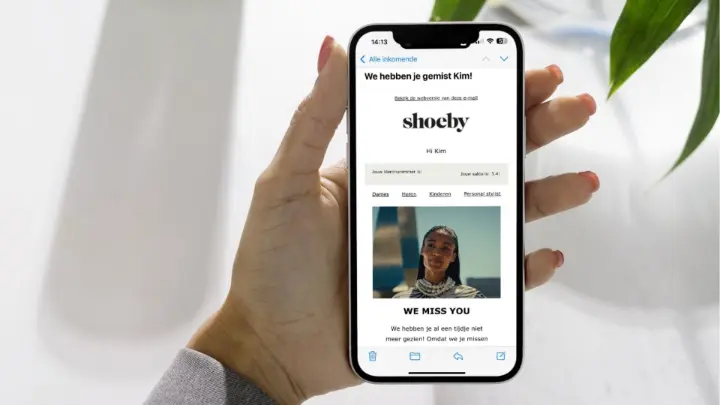
One of the smartest segments you can create is the group of customers who made a purchase some time ago but haven't bought anything in a while. Six months, for example. That's an ideal time to reach out again.
You could start such an email with:
“It’s already been half a year since you were last in our store. We miss you! Did you know that the new spring collection has arrived since then?”
The nice thing is: this doesn't feel like spam. Your customer knows that it's been a while, and your email is the friendly reminder they need. In many cases, this surprisingly leads to a lot of repeat purchases.
From collection to brand preference
Segmentation goes beyond just time. It can also revolve around preferences. Take the sports retailer: someone buys a specific brand of running shoes. That says something. That person feels connected to that brand. How powerful is it to send an email a week later saying, “Have you seen the rest of the [brand] collection? These new jackets pair perfectly with the shoes you chose.”
The chance that someone opens that email and clicks through is many times greater because the interest has already been proven.
This works fantastically for fashion stores or boutiques as well. Customers who buy a certain brand are often loyal to that style. Share something about the specific brand or showcase a part of that collection. If you cater to that, every email will feel like it was written just for them.
The difference between branding and conversion emails
Now you might think: if I keep breaking down my list further, won't it become very commercial? On the contrary. Segmentation actually makes your emails friendlier and more relevant.
A branding email can be aimed at all new subscribers who have never made a purchase or as a welcome email for customers who have made their first purchase. In it, you share your story. Who you are, how your store came to be, what your vision is. No promotions, but connection.
A conversion email, on the other hand, is very targeted at someone who has already made a purchase. For example, that customer who hasn't bought anything in six months. You can be quite direct there. "Are you coming by soon to see the new collection?"
The difference lies in the intention. Branding builds the relationship. Conversion drives action. Both have their place in a healthy email strategy.
Recognition = loyalty
The best thing about segmentation is that customers feel seen. And that might be the secret behind loyalty. When a customer notices that you remember their preferences, that you don't bombard them with irrelevant offers but with emails that match their taste, the bond grows.
Think of a boutique where someone bought a summer dress last year. If you send that person an email in May this year with the new summer collection, it feels like you were thinking of them specifically. It's those little moments of recognition that make a customer come back to you instead of going to the competition.

Segmentation is not a luxury, but a necessity
Many entrepreneurs think that segmentation is only for large chains with expensive marketing software. But that is a misconception. Even the small boutique or the independent lingerie store can get started with this. It often just begins with one or two simple groups: customers who recently made a purchase and customers who haven't done so in a while.
From there, you can expand it. Maybe later you'll create a VIP group for customers who have spent more than five hundred euros. Or a group for people who only buy during the sale. The more you learn, the smarter your emails become.
And believe me: as soon as you see the open rates skyrocketing and customers really starting to respond, you'll never want to go back to "the general newsletter."
Do you want your customers to feel truly seen?
Request a demo and experience how fashion stores boost loyalty and sales with targeted emails.